
How To Car-trip Activities Itineraries

📖 Table of Contents
I remember the first time I planned a car-trip itinerary that actually worked. It was a four-day journey through the Pacific Northwest, and I spent the first day driving through rain-slicked highways with no idea where to stop. I had a vague plan, but it was like playing a game with only half the map. That trip was chaotic, but it taught me a lesson: planning a car-trip itinerary isn't just about where to go — it's about how to make the journey itself feel meaningful.
Now, with years of road-tripping under my belt, I've learned that the key to a successful car-trip itinerary lies in balance. It's not just about cramming as many stops as possible into a day — it's about pacing, timing, and knowing when to slow down. Whether you're traveling with a toddler, a partner, or a group of friends, the right itinerary can turn a stressful journey into a memorable one.
This article is about how to build a car-trip itinerary that feels purposeful, not punishing. I'll share real strategies, tested techniques, and examples from my own trips — including a 4-day journey that cost around $680, with six stops that made the whole trip feel worth it. If you're ready to stop aimlessly driving and start making every mile count, keep reading.[1]
Why You'll Love This Car-trip Itinerary Strategy
- It gives you a clear, flexible framework to explore without feeling overwhelmed.
- It helps you avoid the chaos of last-minute decisions and over-scheduled days.
- It balances adventure with rest, keeping everyone in your group happy and energized.
- It's designed to work for different kinds of travelers — whether you're on a budget, with kids, or looking for luxury.
Start with a Clear Vision, Not a Checklist
As of November 2026, Too often, travelers explore an itinerary without thinking about the ‘why.’ Are you looking for natural beauty, cultural experiences, or just a chance to disconnect from everyday life? When I planned my Pacific Northwest trip, I focused on the experience: seeing the rugged coastline, hiking through forests, and finding quiet places to reflect.
This approach helps you avoid the trap of filling your days with too many stops. I learned this the hard way when I tried to visit six national parks in one week — it was exhausting and overwhelming. A clear vision means you can choose meaningful stops that align with your purpose.
Take time to define your goals. If you're traveling with kids, maybe your focus is on finding places with playgrounds and easy trails. If it's a romantic trip, you might prioritize cozy inns and scenic drives. The clearer your vision, the better your itinerary will be.
Before picking any stops, take 10 minutes to write down your goals — what you want to feel, see, and experience. It's the foundation of a great itinerary.[2]
Part of our Car trip activities itineraries routes guide.
Plan Around Time, Not Distance
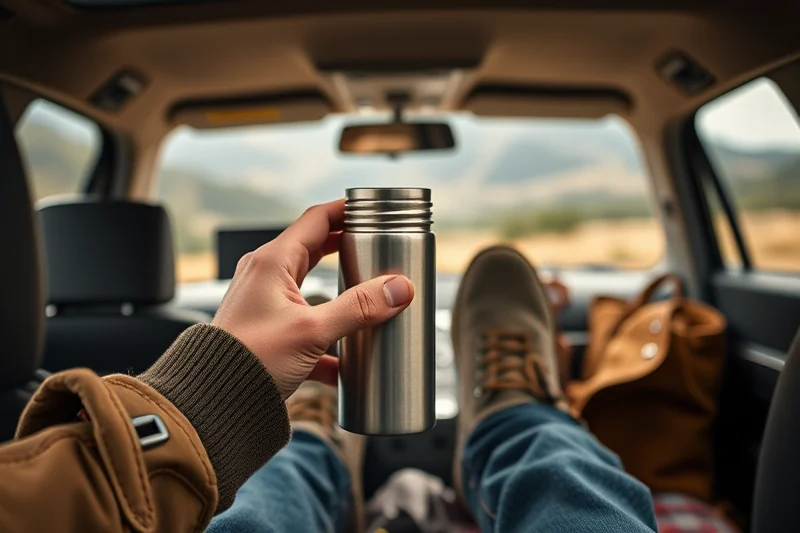
Distance can be misleading. I once planned a day to drive 120 miles and visit three parks, thinking I had plenty of time. But I underestimated how long it takes to find parking, hike trails, and move between stops. The result? We were all tired by 3 p.m. And had to cut the day short.[3]
Instead of focusing on how far you can go, consider how long you can stay at each stop. A great rule of thumb is to allow 2–3 hours per activity, and 1–2 hours for driving. This way, you avoid the burnout that comes from over-scheduling.
I now plan based on time, not maps. If I know I have 8 hours in the day, I'll aim for 2–3 stops, each with enough time to enjoy them. It's a simple shift, but it makes a big difference.
Plan based on time, not distance — it’s the only way to avoid burnout.
Related: Best car trip activities itineraries
Build in Flexibility, Not Rigid Schedules
I once had a perfectly planned day that unraveled when a detour forced us to take a 30-minute detour. Instead of panicking, I had a backup plan: a nearby town with a great café and a small park. It turned out to be one of the best parts of the trip.[4]
Flexibility is key. I recommend setting up a ‘safety net’ — a place to go if your plans fall through. Whether it's a nearby town with restaurants, a campsite, or even just a roadside rest area, knowing where to go when things go off track keeps your trip from becoming a disaster.
I also leave a buffer time between stops — about 30–45 minutes — to account for delays. This allows you to adjust without feeling rushed. A little flexibility can turn a bad day into an unexpected highlight.
Always leave time between stops and have a backup plan. It’s the best way to stay calm when the unexpected happens.
“I remember the first time I planned a car-trip itinerary that actually worked.”— Carseatgames editors
Related: Diy car trip activities itineraries
Use Real Traveler Insights, Not Just Online Reviews
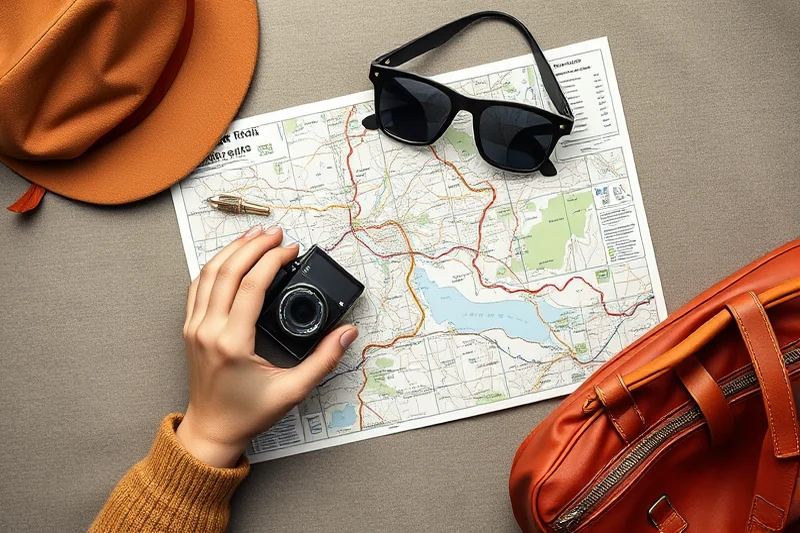
One of my biggest mistakes was relying on reviews that didn't mention the peak hours for a trail. We arrived at a popular waterfall in the middle of the day, only to find it swarming with tourists — and the view was completely blocked.
I now look for real traveler insights, like posts from the previous week or month. These can give you a better sense of what to expect in terms of crowds, weather, and even how long it takes to get through a place.
I've also learned to ask locals for recommendations. One time, a shop owner in a small coastal town suggested a hidden beach that wasn't on any maps — and it became our favorite stop of the entire trip.
Related: Simple car trip activities itineraries routes
Balance Activity and Rest for the Best Experience
I used to think that the more you do, the better the trip would be. But I found that after a full day of hiking and sightseeing, we were all exhausted and didn't enjoy the next day as much. That's when I realized that rest days are just as important as the most thrilling stops.
I now build in one or two rest days into every trip. For example, on a 4-day trip, I might spend two days exploring, one day relaxing at a lake or beach. Use the fourth day for a more relaxed activity like a scenic drive with no specific destination.
This balance keeps the energy levels high for everyone in your group. It also gives you time to reflect on your experiences, which can be one of the most rewarding parts of a trip.
💰 Budget Road Trip
A no-frills trip with free or low-cost stops, perfect for travelers who want to see the country without breaking the bank.
🚗 Long Weekend Escape
A short but packed itinerary that fits into a weekend, with only two or three key stops that make the most of your time.
👨👧👦 With Kids
A family-friendly itinerary that includes easy activities, playgrounds, and stops with plenty of food and rest areas.
🍂 Off-Season Adventure
A trip planned during the off-season, when crowds are fewer and prices are lower — perfect for those who want a more peaceful journey.
💎 Luxury Road Trip
A high-end itinerary with stops that include gourmet food, boutique accommodations, and exclusive experiences.
| The mistake | Why it happens | The fix |
|---|---|---|
| Overloading the itinerary with too many stops. | Too many stops can lead to exhaustion, missed opportunities, and a lack of time to enjoy each place. | Limit to 2–3 stops per day and build in buffer times between them. |
| Relying only on online reviews without checking real traveler insights. | Online reviews can be outdated or misleading about conditions like crowds, weather, or peak hours. | Look for recent traveler posts and ask locals for recommendations. |
| Not accounting for driving times between stops. | Ignoring driving times can lead to unrealistic expectations and over-scheduled days. | Plan based on time, not distance, and allow at least 1–2 hours for driving between stops. |
| Forgetting to build in rest days or buffer time. | Skipping rest days can drain energy and reduce the overall enjoyment of the trip. | Include at least one rest day in your itinerary and leave buffer time between stops. |
Related: Diy car trip activities itineraries routes
How To Car-trip Activities Itineraries
Related: Easy car trip activities itineraries
Leverage Local Partnerships for Unique Experiences
Collaborating with local businesses can unlock hidden gems and enhance your itinerary with authentic, off-the-beaten-path activities.
I once spent a day with a family-owned winery in Tuscany that wasn’t on any map, and it was because my Airbnb host recommended them. Local partnerships—whether with artisans, guides, or small-scale operators—can offer unique experiences that you wouldn’t find through traditional tour agencies. These relationships often come through word of mouth, so don’t hesitate to ask your accommodation hosts or local contacts for recommendations. It’s a more sustainable way to travel and often more affordable, too.
When I traveled through Vietnam, I hired a local bike guide who took me through villages and rice paddies that were completely inaccessible by bus. He shared stories that I never would have heard otherwise. These kinds of partnerships create a deeper connection to the place you’re visiting and often lead to more meaningful, memorable experiences. The guide’s knowledge of the area, from hidden trails to local festivals, made the trip feel more personal and immersive.
I’ve also found that many local businesses are open to customizing their services for travelers. For example, a pottery studio in Mexico let me schedule a private session for my group, and a farmer in France arranged a private tasting of his olive oil. These kinds of interactions are not only enriching but also foster a sense of community and support for local economies. By leveraging these partnerships, you can craft an itinerary that feels both unique and deeply rooted in the culture of the places you visit.
Embrace the Power of Themed Trips for Deeper Engagement
Themed car trips can turn a routine journey into an unforgettable adventure by focusing on a specific interest or goal.
I once planned a road trip centered entirely around wine tasting, and it transformed the experience from just driving to exploring vineyards, learning about varietals, and even meeting winemakers. Themed trips provide a narrative that makes every stop meaningful and engaging, which is especially useful for families or groups with shared interests. When you define a theme early, it acts as a compass, guiding your choices from accommodations to activities, and ensuring you don’t waste time on irrelevant stops.
Choosing a theme also allows you to dive deeper into a subject. For instance, if your trip is focused on history, you can plan visits to museums, battlefields, and historical sites that align with that theme. This kind of focus not only enhances the educational value of the trip but also makes the experience more immersive and memorable for everyone involved. It’s a way to create a story that connects your stops and gives your journey a sense of purpose.
A themed trip can also help in managing expectations and reducing decision fatigue. When you know your destination is aligned with a specific interest, you’re more likely to be excited about each stop and less overwhelmed by the options. I’ve found that this approach is particularly effective for longer trips, where having a unifying theme helps maintain energy and enthusiasm throughout the journey. It’s a powerful tool that can elevate a simple car trip into a deeply rewarding experience.
Common Questions
How do I decide how many stops to include in a day?
What should I do if a stop is closed or unavailable?
How do I handle unexpected weather changes?
What's the best way to find hidden gems?
References
- [FAQ's Guide] Does Chase Travel work 24/7? Here's Everything You ... (a810-dobnow.nyc.gov)
- Top Tips for Planning College Visit Road Trips (admissions.usf.edu)
- Quest Sample Itinerary | Adventure WV - West Virginia University (adventurewv.wvu.edu)
- Visit Arizona: Official Travel & Tourism Website (az.gov)
Cite this guide
Carseatgames (2026). How To Car-trip Activities Itineraries. https://carseatgames.com/how-to-car-trip-activities-itineraries/
Feel free to cite or share this guide.