
Car-trip Activities Planning Checklist
📖 Table of Contents
There’s a moment on every long car trip when the initial excitement starts to fade, and that’s when the real challenge begins. I remember one road trip from Denver to Santa Fe, where my kids started to whine, the GPS kept rerouting, and we had no idea what to do for the next three hours. That’s when I realized I needed a car-trip activities planning checklist. It wasn’t just about making the trip bearable — it was about making it memorable.
I’ve done dozens of road trips, from the rugged backroads of Alaska to the scenic coastal highways of California. Every one of them taught me something new about planning. The biggest lesson? You can’t just wing it. You need a plan — not a rigid itinerary, but a flexible roadmap that accounts for entertainment, rest, and even emergency stops. That’s why I created this car-trip activities planning checklist — it’s designed to help you stay on track without sacrificing spontaneity.
This checklist isn’t just a list of things to do; it’s a framework that helps you think through every detail of your trip. It’s about finding those hidden gems, like a roadside museum or a scenic overlook that most people miss. Ensuring that you have enough activities to keep everyone — from the youngest child to the oldest grandparent — engaged and happy. And trust me, when you hit that 10th hour on the road, you’ll thank yourself for every minute of planning.
Why You'll Love This Car-Trip Activities Planning Checklist
- It reduces stress and keeps everyone entertained during long drives.
- It helps you discover hidden gems and local attractions you wouldn’t have found otherwise.
- It ensures you don’t miss any must-see stops along the way.
- It saves time and money by avoiding last-minute decisions and detours.
What to Pack for a Successful Car Trip
As of September 2026, I’ve learned the hard way that forgetting a simple item — like a phone charger or a pack of cards — can turn a peaceful drive into a disaster. For a 4-day trip, I always pack a portable power bank, a variety of snacks, and a few board games. These are the essentials that keep the car running smoothly.
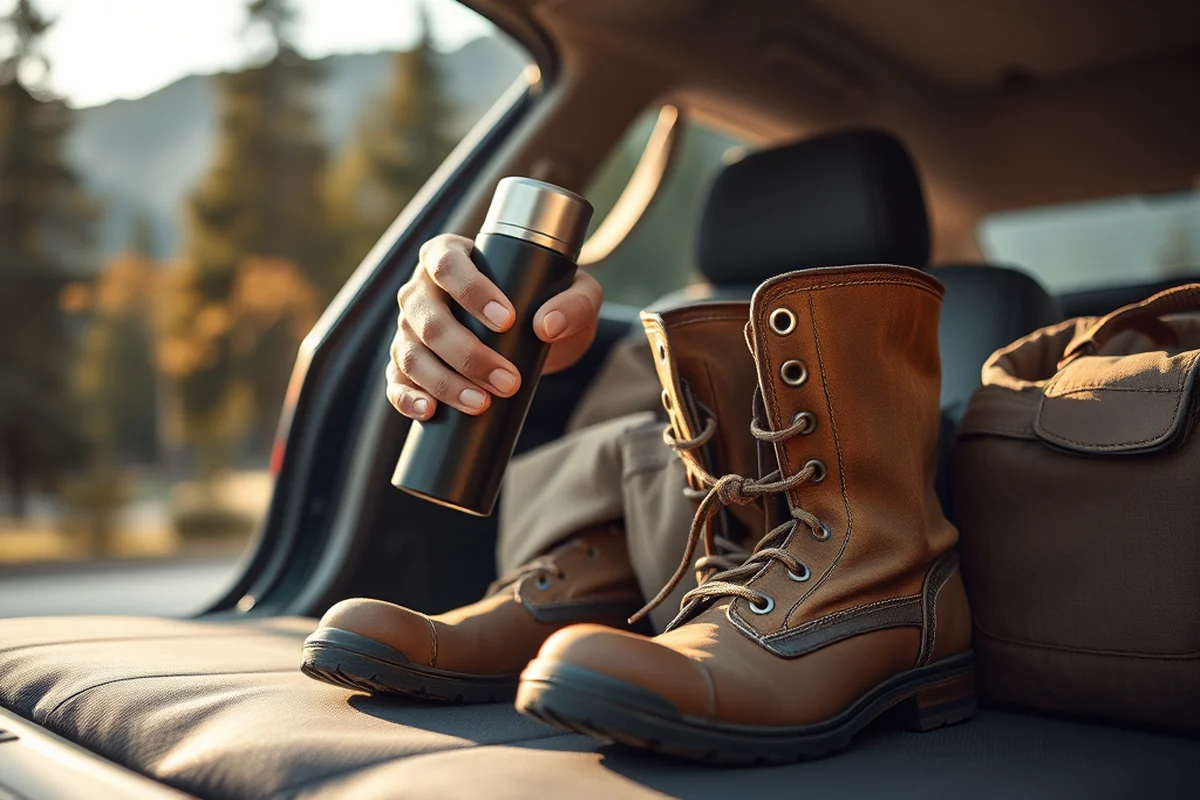
Snacks are my number one priority. I bring a mix of protein bars, dried fruits, and trail mix for the kids, and I always have a few sugary treats in reserve for when the mood strikes. I also bring a thermos with hot tea and a cooler with drinks — it’s surprising how fast the energy in a car can drain.
Entertainment is just as important. I bring a playlist for each member of the family, a few books, and a tablet loaded with documentaries and movies. I’ve found that having a variety of options keeps even the most restless kids happy for hours.
Always bring a first-aid kit, a flashlight, and a spare set of keys in case of emergencies. These items are often overlooked but can be lifesavers.
Part of our Car trip activities budget planning guide.
Choosing the Right Route
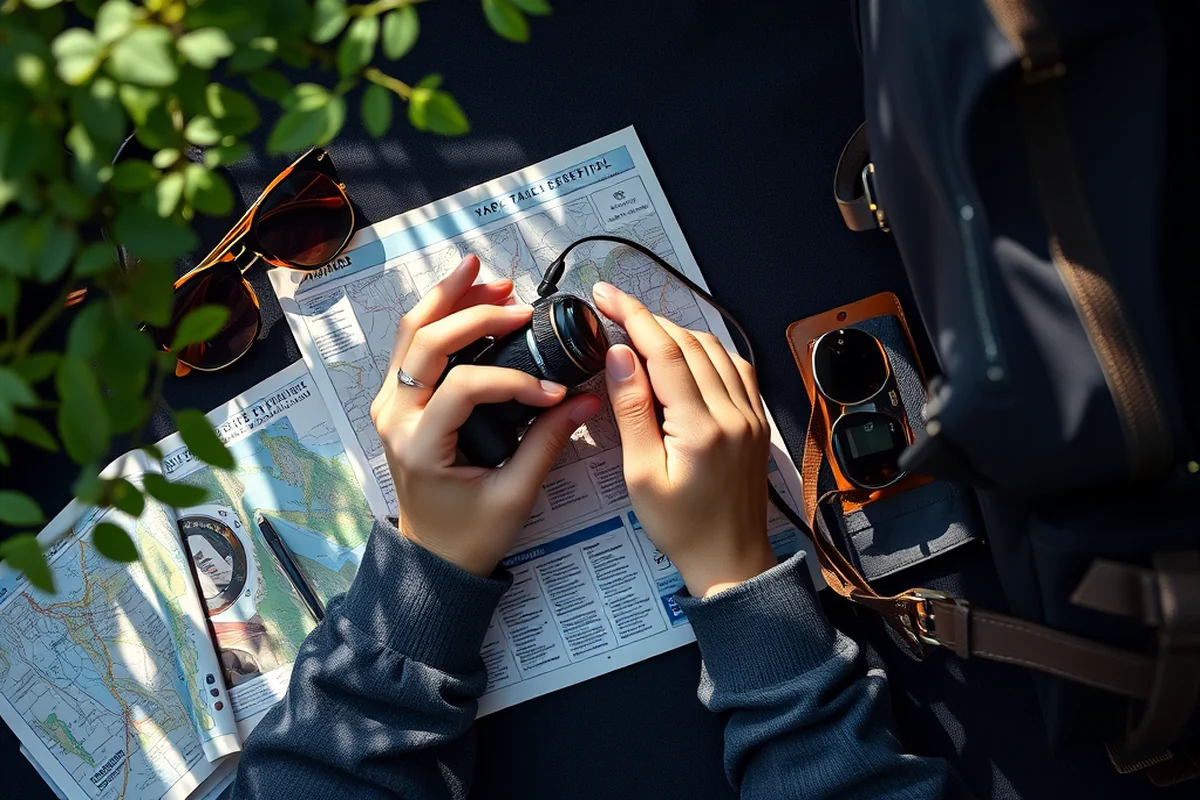
I always start by mapping out the main points I want to visit and then look for a route that connects them with the least amount of backtracking. For example, when I drove from Portland to Seattle, I took a scenic route through the Pacific Northwest that included stops at Mount Rainier and Olympic National Park.
I’ve also learned to avoid major highways during peak hours. Traffic can be a nightmare, especially during holidays or weekends. I once got stuck in a 3-hour traffic jam on I-80 near Chicago, and it completely ruined the trip.[1]
Another thing to consider is the terrain. If you’re traveling with kids, avoid mountain passes that are too steep or too narrow. I’ve found that sticking to well-maintained, two-lane highways is often the best option for a smooth and enjoyable drive.
The right route can make the difference between a great trip and a terrible one.
Related: Best car trip activities budget
Related: Car-trip Activities Planning Tips
Planning Stops Along the Way
I like to plan 6-8 stops per day, each about an hour apart. This gives us time to explore without feeling rushed. I’ve found that visiting a local museum, a park, or a small town is a great way to break up the monotony of the road.
I’ve also learned that flexibility is key. Sometimes, the GPS reroutes us, and I have to adjust my plan on the fly. I always have a backup list of places to visit in case we miss our original destination.
One of my favorite stops was a small roadside museum in Arizona that had a collection of vintage cars. It was a complete surprise, but it ended up being one of the highlights of the trip.
Look for places that offer unique, local experiences — like a winery, a historic site, or a local festival. These stops often provide a deeper connection to the area.
“There’s a moment on every long car trip when the initial excitement starts to fade, and that’s when the real challenge begins.”— Carseatgames editors
Related: Easy car trip activities budget
Managing Time and Schedules
I always start the day early, around 7:30 AM. This gives us time to eat a proper breakfast, pack up, and leave before the traffic starts. I’ve found that starting late often leads to rushed meals and missed stops.[2]
I also build in buffer time between stops. A 30-minute buffer is usually enough to handle unexpected delays or to explore a stop more thoroughly. It’s surprising how often a stop can take longer than expected, especially if you’re visiting a new place.[3]
Another tip is to use a timer to keep track of how long you’re spending at each stop. I’ve found that this helps prevent getting too lost in one spot and missing out on other attractions.
Related: Affordable car trip activities budget
Staying Safe and Comfortable
I always make sure that everyone in the car has their seatbelts on and that the car is equipped with a first-aid kit and emergency supplies. I’ve also found that keeping the car’s temperature at a comfortable level — around 70 degrees — helps prevent fatigue and discomfort.
I like to take breaks every 2 hours to stretch and rest. This not only keeps everyone alert but also helps prevent motion sickness. I’ve found that even a 10-minute stop can make a big difference in the overall comfort of the trip.
Another thing I do is to keep the car clean and organized. I bring a small trash bag for snacks and drinks, and I make sure that everyone knows where their items are stored. It’s amazing how much cleaner a car feels when everything is in its place.
💰 Budget Road Trip
A cost-effective option that still offers plenty of fun and entertainment without breaking the bank.
🌄 Long Weekend Adventure
A quick but fulfilling trip that allows you to explore a new destination without committing to a week-long journey.
👨👩👧👦 Family Road Trip
A fun-filled trip for the whole family, with plenty of activities and stops to keep children entertained.
🍂 Off-Season Travel
A quieter alternative to busy travel times, with lower prices and fewer crowds.
🚗 Luxury Road Trip
A high-end option with top-tier accommodations, gourmet meals, and exclusive experiences.
| The mistake | Why it happens | The fix |
|---|---|---|
| Not packing enough snacks | Running out of food can lead to unhappy passengers and unexpected stops at gas stations or restaurants. | Bring a variety of snacks for each person, including both healthy and indulgent options. |
| Ignoring the weather forecast | Unforeseen weather can ruin a trip, especially if you’re not prepared for rain, snow, or extreme heat. | Check the weather forecast for the entire route and pack appropriate clothing and supplies. |
| Not checking the car’s condition | A poorly maintained car can break down on the road, leading to delays and additional costs. | Have your car checked by a mechanic before the trip and carry a spare tire, tools, and a jerry can of fuel. |
| Overpacking the car | Overpacking can make it difficult to move around the car and increase the risk of injury in an emergency. | Pack only what you need and organize your items in a way that allows for easy access. |
Related: Easy car trip activities planning
Car-trip Activities Planning Checklist
Related: Car trip activities budget planning that actually work
Maximizing Time at Destinations
When you arrive at a destination, it's easy to feel like you’re rushing to get to the next place. I’ve learned that taking the time to really experience each stop can make your trip more memorable. I always try to arrive at least 30 minutes early so I can take a walk, grab a bite, or just relax. For example, during a recent trip to the Grand Canyon, I arrived at the visitor center an hour early, which gave me time to tour the exhibits and enjoy the view before the crowds arrived. This small change made a huge difference in my experience.
I’ve also found that planning short, specific activities at each stop can help you make the most of your time. For instance, I’ll research local museums, parks, or historical sites in advance and create a mini itinerary for each destination. If we’re in a small town, I’ll look for a local bakery or café where we can have a meal and take a few photos. I’ve noticed that these small, authentic experiences can be more fulfilling than trying to fit in too many big attractions in a short time.
I always try to leave at least 30 minutes before the next leg of the trip to avoid being in a rush. This gives us time for a quick snack, a bathroom break, and a few last-minute photos. I’ve found that having a flexible schedule and being willing to adjust plans as needed can make a trip more enjoyable. I’ve also learned that sometimes the best memories are made when you take a spontaneous detour — like stopping at a roadside diner or exploring a nearby trail. These unexpected moments can add a lot of value to your overall experience.
Adapting Activities to Passenger Ages and Interests
Tailoring car-trip activities to the ages and interests of your passengers can make the journey more enjoyable and less stressful. Whether you're traveling with toddlers, teenagers, or a mix of ages, knowing what each person likes can help you plan engaging and age-appropriate activities.
When planning car-trip activities, consider the age and interests of your passengers. For example, toddlers might enjoy listening to audiobooks or playing with small, safe toys, while teenagers may prefer games on their phones or listening to music. It’s important to balance activities so that everyone feels included and entertained. I once traveled with my sister and nephew, and I made a playlist with music from our childhood and a few kid-friendly podcasts, which kept everyone happy for the entire trip.
Adults, especially if they are driving, may need downtime to rest or manage the journey. I always carry a small notebook and pen for journaling or sketching during long drives, which helps me stay relaxed and focused. For families with mixed ages, I’ve found that playing trivia games based on the route or landmarks we’re passing can be both fun and educational. It’s a great way to keep conversation going and make the trip feel more like an adventure than a chore.
Another tip is to bring along a variety of activities to keep things interesting. This could include a deck of cards, travel-sized board games, or a portable DVD player with kids’ movies. I’ve also used apps like ‘Road Trip Bingo’ to make the journey more interactive. By adapting activities to the needs of each passenger, you can ensure that everyone stays entertained and the trip remains enjoyable from start to finish.
Common Questions
How can I keep kids entertained on a long car trip?
What should I pack for a car trip?
How do I choose the best route for my trip?
What is the ideal length of a car trip?
References
- Top Tips for Planning College Visit Road Trips (admissions.usf.edu)
- Check List for Successful Field Trips.p65 (aps.edu)
- The Ultimate Binghamton University Visit Checklist (binghamton.edu)
Cite this guide
Carseatgames (2026). Car-trip Activities Planning Checklist. https://carseatgames.com/car-trip-activities-planning-checklist/
Feel free to cite or share this guide.