
Car-trip Activities Budget Mistakes To Avoid

📖 Table of Contents
I remember the first time I tried to plan a cross-country road trip with my family. I thought I had everything under control — a budget, a route, and a list of ‘must-see’ attractions. But by the time we reached our destination, I had overspent by over $300 and was exhausted from constantly scrambling for cheap activities and last-minute hotel deals. It was a lesson I’ll never forget, and one that taught me how easily a car-trip activities budget can spiral out of control if you're not careful. The keyword here is ‘car-trip activities budget mistakes to avoid’ — and I’ve made enough of them to know which ones are most dangerous.
Budgeting for a road trip isn’t just about gas and hotels — it’s about the experiences you bring back with you. I’ve learned the hard way that underestimating the cost of activities, overestimating the amount of free time you’ll have, and assuming that everything will be ‘on sale’ are all common missteps. One of my most expensive errors was booking a high-end attraction without checking for discounts or off-peak hours. It was a wake-up call, and it made me realize that knowing where to look — and what to avoid — is just as important as the trip itself.
Now, I plan with a detailed spreadsheet, including everything from admission fees to snack stops. I’ve also learned that some of the most memorable moments of my trips have been the ones that didn’t cost a fortune — like a surprise hike, a local festival, or a spontaneous visit to a quirky museum that didn’t charge admission. The key is knowing which activities are worth the money and which ones can be skipped or substituted. That’s why I’m sharing these mistakes to avoid — and I hope you’ll find them as useful as I did.
Why You'll Love This Guide to Car-Trip Activities Budget Mistakes to Avoid
- Learn the 4 most costly missteps and how to avoid them
- Get real-life tips from someone who’s been there
- Save hundreds of dollars with smart planning
- Discover which free or low-cost activities are worth your time
Underestimating the Cost of Admission Fees
As of November 2026, I once planned a trip to a national park with my kids, assuming that free entry would be the norm. But I didn’t realize that some parks charge a daily fee per vehicle, and I ended up paying over $40 for just one day of access. That’s a mistake I’ve seen others make, too — assuming that ‘free’ means entirely free.[1]
The reality is that many popular attractions — from museums to theme parks — require a fee, and these can range from $10 to $50 per person. One of my friends spent over $200 on admission fees for a one-day visit to a major city, only to find out that many of the top sights were closed for renovation.
To avoid this, research the cost of admission in advance and look for free or low-cost alternatives. Many cities have free days or offer discounted passes for groups. It’s a small step, but one that can save you hundreds of dollars.
Research the cost of all attractions you plan to visit and keep a running total. Many websites now offer group discounts or free entry on specific days.
Part of our Car trip activities budget planning guide.
Overlooking the Cost of Dining and Snacks
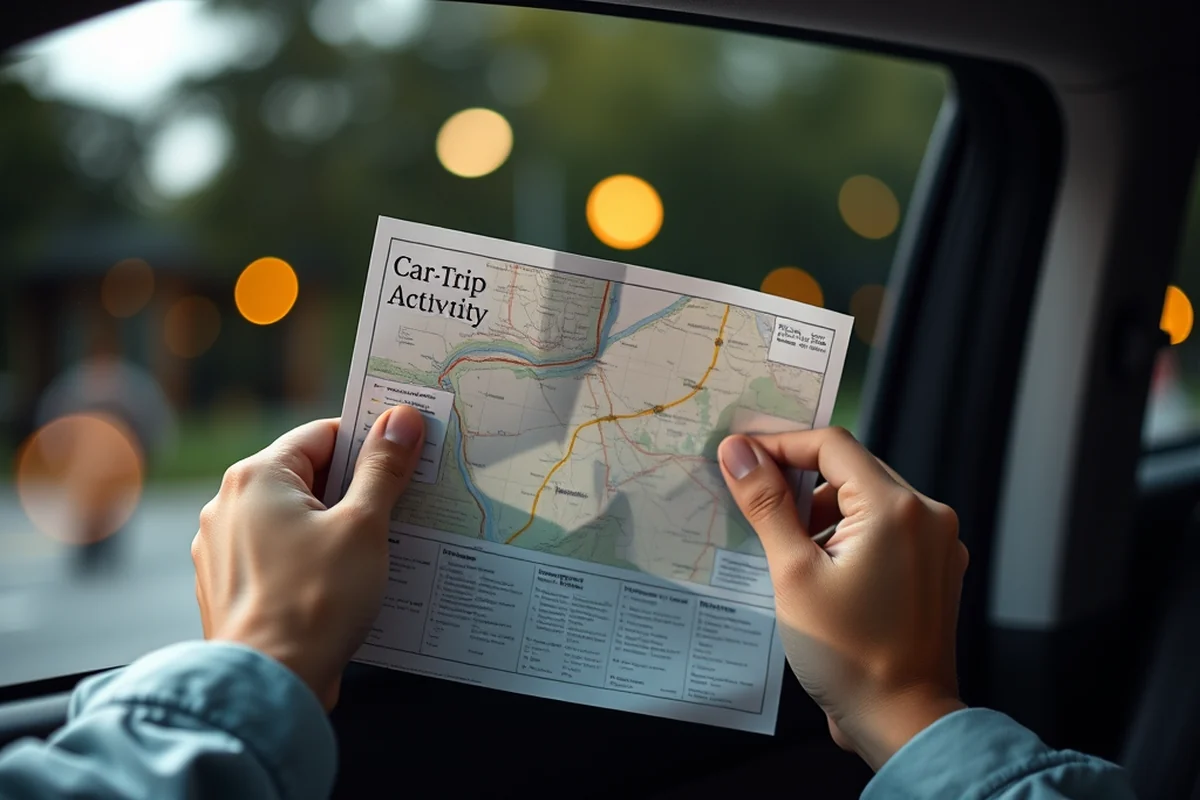
One of the biggest mistakes I made early on was assuming that eating at the roadside diner would be cheap. I underestimated how quickly gas, snacks, and meals could eat into the budget. On a four-day trip with my family, we spent over $200 on food alone — not because we were extravagant, but because we were constantly stopping for quick meals.
The solution is to plan ahead. I now stock up on non-perishable snacks before the trip and only eat at restaurants on specific days. This cuts costs significantly and also helps us avoid the temptation to spend on every roadside stop.
Another tip is to use apps like Google Maps to find budget-friendly restaurants or use local directories to find places with lower prices. I’ve found that eating at local markets or food trucks can be both cheaper and more authentic than dining at chain restaurants.
Don’t underestimate how much a snack stop can eat into your budget — plan ahead.
Related: How to car trip activities planning
Ignoring the Cost of Fuel and Parking
I once planned a cross-country trip and assumed that gas prices would stay low. But after a sudden increase in fuel prices, I ended up spending over $200 more than I had budgeted. That was a painful lesson — and one that taught me that fuel costs can vary widely depending on the route, time of year, and even the type of vehicle you drive.
Parking costs can also be a surprise, especially in cities. I once visited a national park and paid $25 for parking at a trailhead — a cost I hadn’t anticipated. That’s why it’s crucial to research parking options in advance and consider whether a paid lot is necessary or if free parking is available nearby.
To avoid this, I now use fuel cost calculators and plan to drive during off-peak hours when gas prices are typically lower. I also research free or low-cost parking options ahead of time, which has saved me both money and stress.
Use a fuel cost calculator based on your vehicle’s mileage and the distance you’ll be traveling. Always check if free parking is available at your destination to avoid unexpected costs.
“I remember the first time I tried to plan a cross-country road trip with my family.”— Carseatgames editors
Related: Car trip activities planning tips
Assuming That Everything Is Available Year-Round
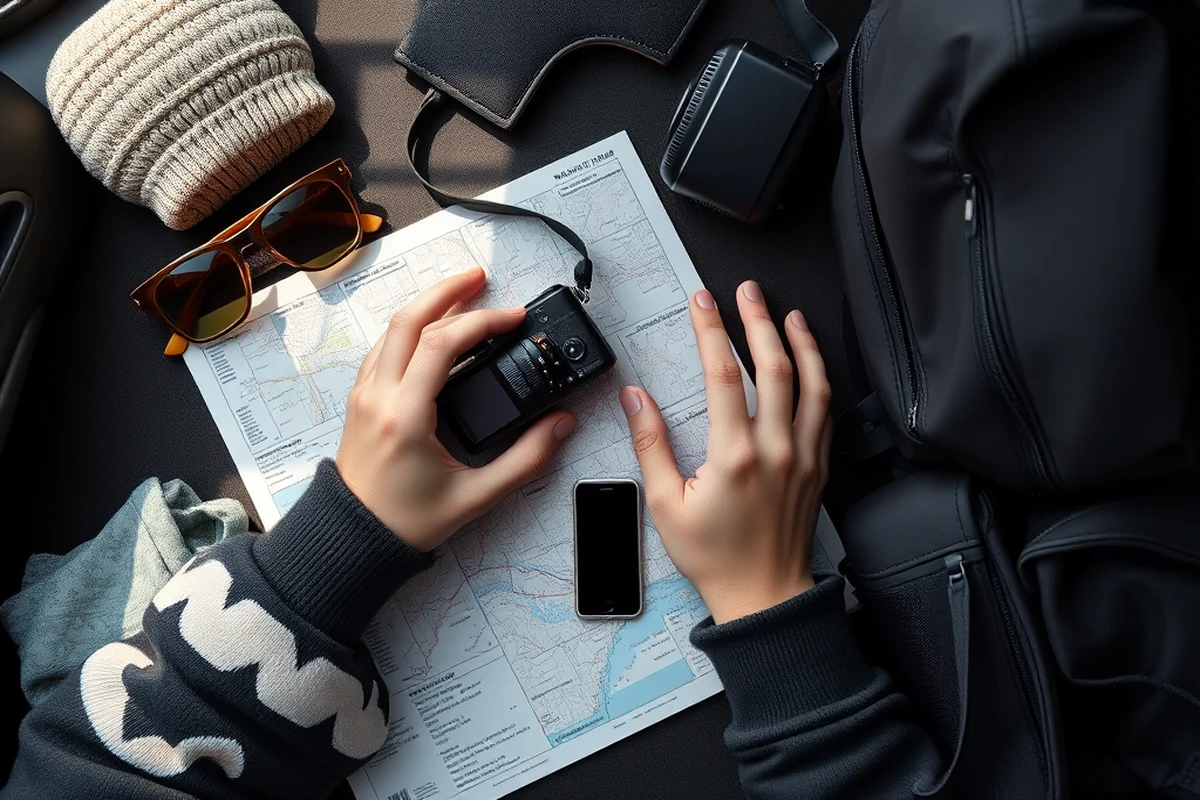
Seasonal availability of activities can greatly impact your budget — and it’s easy to forget.
Another issue is that some seasonal activities — like snowmobile tours or beach festivals — only run during specific times of the year. If you plan a trip outside of those windows, you may end up with nothing to do or have to pay for more expensive alternatives.
To avoid this, I now always check the operating seasons of every activity I plan to include. This helps me avoid last-minute disappointments and ensures that my itinerary is realistic and aligned with the availability of attractions.
Related: Car trip activities planning for beginners
Forgetting to Plan for Extra Expenses
I once had a flat tire during a trip, and because I had no emergency fund set aside, I ended up paying a hefty amount for a tow truck and repairs. That was a wake-up call — and it taught me that every trip should include a contingency budget for unexpected expenses.
Other unexpected costs can include things like hotel price increases if you book last-minute, medical emergencies, or even a broken-down car part. I’ve learned that it’s better to budget for these scenarios — even if they seem unlikely — because they can happen.
Now, I always include an emergency fund in my travel budget, typically around 10-15% of the total cost. This has helped me avoid financial stress and allowed me to handle unexpected issues without compromising the rest of the trip.
💰 Budget Road Trip
Plan a trip that prioritizes free or low-cost activities and minimizes expenses like hotel and dining.
🚗 Long Weekend Escape
A short trip perfect for a quick getaway, with a focus on nearby attractions and easy-to-reach destinations.
👨👧👦 With Kids
A family-friendly itinerary with kid-approved activities, snacks, and flexible schedules.
🍂 Off-Season Travel
Travel during the off-peak season to enjoy lower costs and fewer crowds.
💎 Luxury Road Trip
A high-end experience with premium accommodations, exclusive attractions, and indulgent activities.
| The mistake | Why it happens | The fix |
|---|---|---|
| Underestimating Admission Fees | Many attractions charge admission fees that are easily overlooked, leading to unexpected costs. | Research the cost of all activities in advance and look for free or discounted options. |
| Overlooking Fuel and Parking Costs | Fuel and parking are often the largest expenses on a road trip and can be easily underestimated. | Use fuel cost calculators and research free or low-cost parking options before your trip. |
| Assuming Everything Is Available Year-Round | Some attractions only operate during specific seasons, which can lead to disappointment if not planned for. | Always check the operating seasons of any activity you plan to include in your itinerary. |
| Not Budgeting for Emergencies | Unexpected expenses like car repairs, medical costs, or last-minute changes can quickly derail your budget. | Include an emergency fund in your travel budget to cover unexpected expenses. |
Related: Car trip activities planning ideas
Car-trip Activities Budget Mistakes To Avoid
Related: Car trip activities planning checklist
Neglecting the Hidden Costs of Gear and Equipment
Many travelers forget to budget for gear like hiking boots, camping tents, or even simple items like folding chairs and coolers needed for roadside stops.
When planning a car trip, it's easy to focus on the big expenses like admission fees or fuel, but overlooking the cost of essential gear can quickly derail your budget. I once took a family road trip to the Grand Canyon and forgot to factor in the $150 we spent on a portable camping tent, which was necessary for our overnight stay. That unexpected expense cut into our funds for other activities, like visiting the visitor center or buying souvenirs. It's crucial to make a list of all equipment you'll need and set aside money for it before departure.
Another overlooked cost is the maintenance and replacement of gear. For example, my spouse and I had to replace a set of hiking boots after a week-long trip through rocky terrain, costing us an extra $120. This kind of expense is not always obvious at the beginning of a trip, but it's important to account for wear and tear, especially if you're planning multiple excursions during your journey. I’ve learned to budget an extra 10-15% of the total trip cost for gear-related expenses, which includes replacements, cleaning supplies, and even extra items like rain ponchos or reusable water bottles.
I also recommend shopping for gear in advance to take advantage of sales or discounts. I saved over $200 by buying a lightweight camping tent during a seasonal clearance event. This strategy not only helps with budgeting but also ensures you have the right equipment on hand. Remember, a well-prepared traveler is a financially savvy traveler — don’t let overlooked gear costs ruin your trip’s enjoyment or break your budget.
Common Questions
What is the best time of year to plan a budget-friendly road trip?
How can I find free or low-cost activities on the road?
What should I do if I don’t have a car?
How can I save on fuel costs?
References
- Travel Tips (U.S. National Park Service) (nps.gov)
Cite this guide
Carseatgames (2026). Car-trip Activities Budget Mistakes To Avoid. https://carseatgames.com/car-trip-activities-budget-mistakes-to-avoid/
Feel free to cite or share this guide.